
SEO vs Google Ads: Which One Should Beginners Learn First?
Choosing a starting point in digital marketing is confusing for beginners, and one question comes up more than anything: SEO vs Google Ads: Which One Should Beginners Learn First? This is not just a topic—it’s a real problem that every new digital marketer faces in 2025. With brands shifting online faster than ever, learning the right skill first can fast-track your growth, income, and job opportunities.

In this detailed guide, we break down SEO vs Google Ads: Which One Should Beginners Learn First? from every practical angle—skills, difficulty level, time to learn, career scope, cost, long-term benefits, and which one helps you get your first client or job faster. Understanding this comparison can save you months of confusion and help you take the right step toward becoming job-ready.
What Makes the SEO vs Google Ads Debate Important?
The digital world is booming, and so are job opportunities. Companies want more visibility, more traffic, and more customers—fast. That’s why beginners often get stuck between SEO vs Google Ads: Which One Should Beginners Learn First? Both skills are in high demand, but they work completely differently.
SEO builds long-term organic traffic without paying for every click, while Google Ads gives instant results through paid campaigns. Knowing which one to learn first can define your entire career direction. That’s why the question SEO vs Google Ads: Which One Should Beginners Learn First? is more relevant now than ever before.
Understanding SEO: A Long-Term Skill With Massive Career Scope
Before comparing SEO vs Google Ads: Which One Should Beginners Learn First?, let’s understand SEO. SEO (Search Engine Optimization) helps websites rank higher on Google without spending money on ads. It’s a long-term strategy based on keyword research, content writing, backlinks, website optimization, and understanding how Google algorithms work.
Why SEO Is Valuable for Beginners:
-
Completely organic—no ad budget needed
-
Helps you understand Google deeply
-
Easier for freelancers to start with
-
Great for long-term career growth
-
Companies always need SEO to reduce paid ad costs
If you’re thinking about SEO vs Google Ads: Which One Should Beginners Learn First?, SEO often wins for those who want low-cost learning and high long-term growth.
Understanding Google Ads: Instant Traffic and High ROI Skill
Google Ads is Google’s paid advertising platform. Brands pay for each click and get instant visibility across search, display, YouTube, and shopping ads. Another reason the question SEO vs Google Ads: Which One Should Beginners Learn First? matters is because Ads requires strategy and money management.
Why Google Ads Is a Strong Skill for Beginners:
-
Faster results than SEO
-
High demand among companies
-
Higher client earnings
-
Great for performance marketing careers
-
Perfect for those who love analytics
While learning Google Ads, beginners quickly understand how customers behave and how businesses generate revenue. That’s why SEO vs Google Ads: Which One Should Beginners Learn First? becomes a meaningful decision—not just a question.
Time Required to Learn: SEO vs Google Ads
Understanding the learning difficulty is an important part of SEO vs Google Ads: Which One Should Beginners Learn First?
SEO Learning Time:
-
Basics: 30–45 days
-
Intermediate: 2–3 months
-
Advanced: 6 months+
Google Ads Learning Time:
-
Basics: 20–30 days
-
Intermediate: 1–2 months
-
Advanced: 3–4 months
Beginners often choose SEO when they ask SEO vs Google Ads: Which One Should Beginners Learn First? because it allows more practice without needing an ad budget.
Which Skill Gives Faster Career Opportunities?
This is another major reason people ask: SEO vs Google Ads: Which One Should Beginners Learn First? Practical opportunities matter.
SEO Career Opportunities: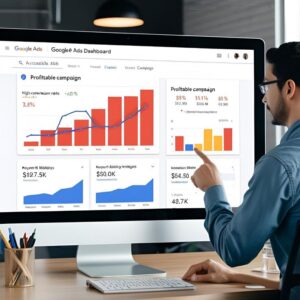
-
SEO Executive
-
SEO Analyst
-
Content Strategist
-
Blogger
-
Freelance SEO manager
Google Ads Career Opportunities:
-
PPC Specialist
-
Performance Marketing Executive
-
Google Ads Strategist
-
Media Buyer
-
Freelance Ads Manager
Both offer huge growth, but beginners usually find SEO easier to start without money. That’s why SEO vs Google Ads: Which One Should Beginners Learn First? often leans toward SEO when budget is a concern.
Job Market Demand in 2025
Both skills are booming, but their demand varies depending on business type.
SEO Demand:
-
High in content-heavy industries
-
Great for startups
-
Ideal for long-term brand building
Google Ads Demand:
-
High in e-commerce
-
High in performance-driven brands
-
Perfect for fast-scaling businesses
This is where SEO vs Google Ads: Which One Should Beginners Learn First? becomes a career-based decision.
Which One Helps You Earn More as a Freelancer?
Many beginners explore freelancing opportunities, making the question SEO vs Google Ads: Which One Should Beginners Learn First? even more important.
SEO Freelancing: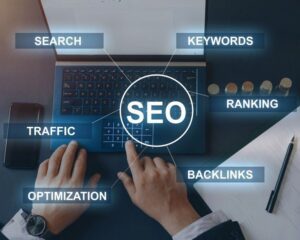
-
Consistent monthly retainers
-
Low investment
-
High demand for ongoing optimization
Google Ads Freelancing:
-
Higher payments
-
More client responsibility
-
Requires managing budgets carefully
If income is your priority, SEO vs Google Ads: Which One Should Beginners Learn First? might push you toward Google Ads—but only if you’re comfortable handling paid budgets.
Conclusion: SEO vs Google Ads — Which Should You Learn First in 2025?
After comparing everything, the answer to SEO vs Google Ads: Which One Should Beginners Learn First? depends on your goals:
Choose SEO First If:
-
You want low-cost learning
-
You want strong foundations
-
You’re focusing on long-term career growth
-
You want SEO-friendly jobs or content roles
Choose Google Ads First If:
-
You want instant results
-
You enjoy analytics
-
You want to enter performance marketing
-
You’re comfortable handling budgets
For most beginners, SEO is the easier and safer starting point. But in 2025, the smartest path is simple:
👉 Learn SEO first,
👉 Then learn Google Ads,
👉 Become a complete digital marketer.
This makes the question SEO vs Google Ads: Which One Should Beginners Learn First? a powerful starting point for your career.
